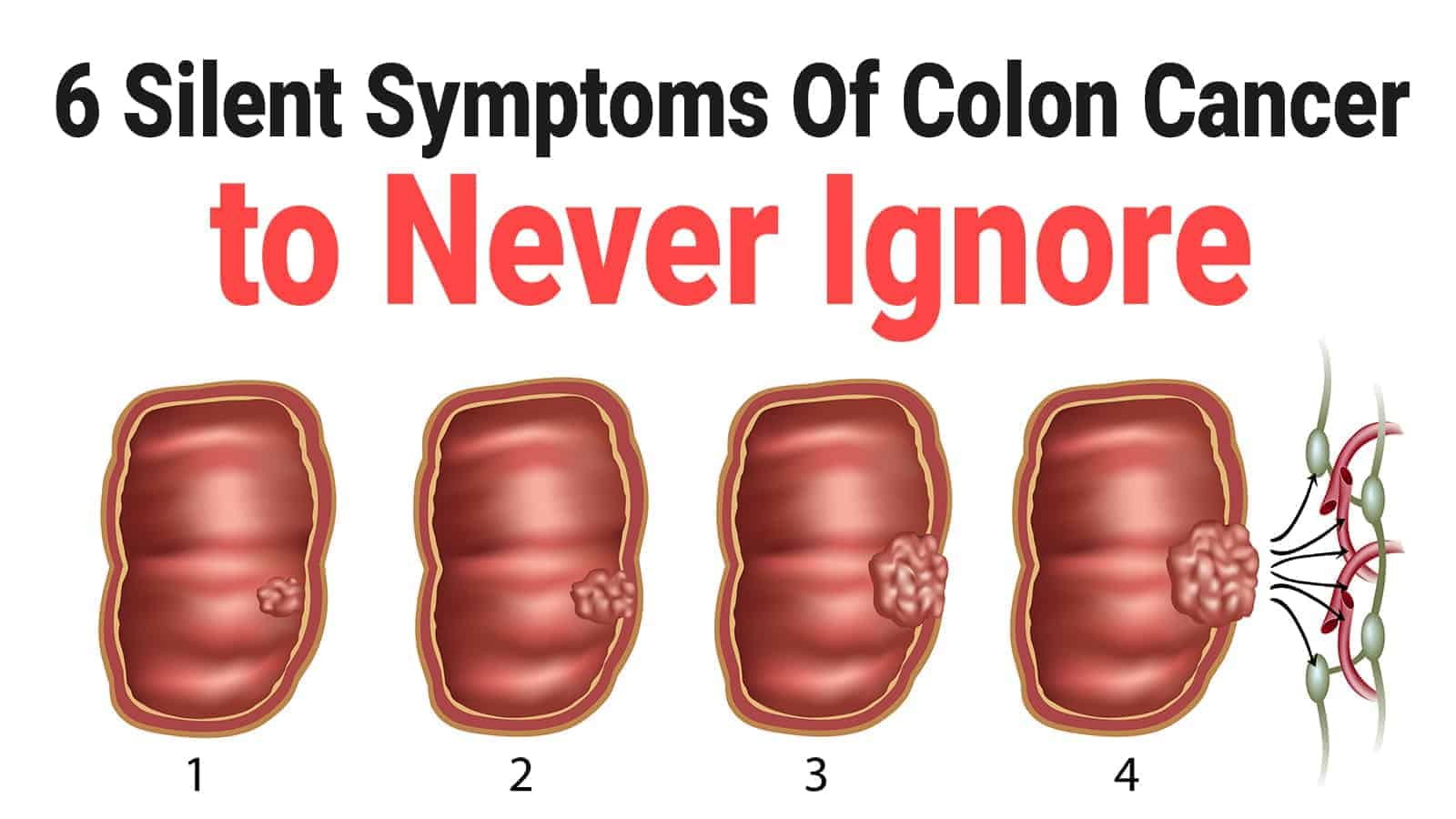


Colon cancer often develops quietly. In its early stages, it may cause little to no pain, and the symptoms that do appear can seem minor or easy to explain away.
According to the American Cancer Society, in 2026 an estimated 108,860 people will be diagnosed with colon cancer and nearly 50,000 more with rectal cancer in the United States.
When combined, colorectal cancer remains the second leading cause of cancer deaths among men and women.
What makes it especially concerning is this: while overall screening has helped reduce deaths in older adults, rates are rising in people under age 50.
Many younger individuals receive a later diagnosis due to the dismissal of early warning signs as stress, diet issues, or common digestive problems.
The good news is that colon cancer is often highly treatable when caught early.
Recognizing subtle, persistent symptoms and getting screened beginning at age 45 for average-risk adults – can make all the difference.
Let’s look at six silent symptoms you should never ignore.

⚠️ 6 Silent Warning Signs of Colon Cancer Explained
⚖️ Unexplained Weight Loss
🎈 Persistent Abdominal Pain, Bloating, or Cramping
🩸 Iron-Deficiency Anemia (Low Iron)
🚽 Changes in Bowel Habits That Last
🔋 Ongoing Fatigue That Doesn’t Improve
🌙 Night Sweats (Especially With Other Symptoms)
🧪 How Colon Cancer Is Diagnosed
If colon cancer is suspected based on symptoms or screening results, doctors use a series of tests to confirm what’s happening inside the colon.
The goal is not just to detect cancer but often to catch precancerous polyps before they turn into something more serious.
Stool-Based Tests
These are often the first step in screening for people without symptoms.
Tests like the FIT (fecal immunochemical test) look for hidden blood in the stool, while stool DNA tests check for abnormal DNA that may signal cancer or polyps.
These tests are noninvasive and done at home, but if results are positive, further testing is required.
Colonoscopy
A colonoscopy is widely regarded as the most effective method for detection. During the procedure, a doctor uses a flexible camera to examine the entire colon.
If polyps are found, they can often be removed immediately. The same procedure can be used to perform a biopsy if suspicious tissue is observed.
Imaging Tests
If cancer is confirmed, imaging tests such as CT scans may be used to determine whether it has spread and to help guide treatment decisions.
The most important thing to remember is this: screening can detect problems before symptoms even begin.
That’s why guidelines recommend average-risk adults begin screening at age 45.
🎯 Who Is Most at Risk?
Colon cancer can affect anyone, but certain factors increase the likelihood of developing it.
Understanding these risks does not mean you will get cancer – it simply helps you make informed decisions about screening and prevention.
Age 45 and Older
Risk increases with age, which is why routine screening now begins at 45 for average-risk adults. However, rising cases in younger adults mean symptoms should never be dismissed based on age alone.
Family History of Colorectal Cancer or Polyps
If a close relative (parent, sibling, or child) has had colon cancer or advanced polyps, your risk is higher. In these cases, screening often begins earlier and may occur more frequently.
Personal History of Inflammatory Bowel Disease
Conditions like Crohn’s disease or ulcerative colitis that cause chronic inflammation in the colon can increase long-term risk.
Lifestyle Factors
Risk factors for colorectal cancer include smoking, heavy alcohol use, obesity, low physical activity, and diets high in processed or red meats. On the other hand, fiber-rich diets and regular exercise appear protective.
Certain Genetic Conditions
Inherited syndromes such as Lynch syndrome and familial adenomatous polyposis (FAP) significantly increase colon cancer risk and require specialized monitoring.
Knowing your personal risk profile allows you and your doctor to create a screening plan that fits your history and health status.
🗓 When to Start Screening (Updated Guidelines)
🗓 Screening Starts at Age 45
📋 Earlier Screening for Higher Risk
🔎 Screening Options
💙 Early Detection Saves Lives
FAQs
Yes. Colon cancer can develop quietly, especially in its early stages. Some people experience only subtle changes, while others may have no noticeable symptoms at all.
That is why screening is so important – it can detect precancerous polyps before symptoms begin.
There is not always one clear early sign.
However, persistent changes in bowel habits, unexplained iron-deficiency anemia, and ongoing abdominal discomfort are commonly reported early indicators.
The key factor is persistence – symptoms that last several weeks deserve medical evaluation.
No. Conditions such as hemorrhoids, anal fissures, or infections can also cause bleeding. However, any new or unexplained blood in the stool should be assessed by a healthcare professional to rule out more serious causes.

Final Thoughts On Silent Symptoms Of Colon Cancer To Never Ignore
What happens if you notice any of these symptoms in yourself? Don’t panic!
Practice positive thinking and make a visit to the doctor. Colon cancer, when caught early enough, is treatable.
It is worth noting that different stages of colon cancer present different types of symptoms, becoming more severe as the condition progresses.
As such, if you notice a few of these signs, or just one of them, but also have additional symptoms not mentioned here, you should aim to speak to a doctor.
Although being a hypochondriac about symptoms can feel like a waste of time, your health is essential.
Your life is worth more than enough to be worth the hassle of a doctor’s checkup.
See a doctor if you feel something is wrong with your body. Even if it is not bowel cancer, there may be another issue. And if there isn’t – better safe than sorry!