

Breast cancer doesn’t always announce itself loudly. Sometimes it whispers through subtle changes, quiet discomfort, or a slight alteration that’s easy to dismiss.
Yet those quiet signs can matter more than we realize.
Breast cancer affects an estimated 2.3 million people worldwide each year and remains one of the most commonly diagnosed cancers in women. The hopeful truth is that early detection dramatically improves survival rates.
The challenge is that many early symptoms are painless, gradual, or uncomfortable to talk about, which makes them easier to ignore.
This article isn’t about fear. It’s about awareness.
When you understand the silent signs, you gain power, options, and time. Knowledge is protection.

⚠️ Why Silent Symptoms Are So Dangerous
Breast cancer doesn’t always begin with pain. Many early warning signs are subtle, painless, and easy to dismiss — which is exactly what makes them dangerous.
- Silent symptoms develop gradually and blend into normal body changes.
- Some signs feel uncomfortable or embarrassing to discuss, so they go ignored.
- Many women wait for pain before seeking care, but early breast cancer often isn’t painful.
- The longer subtle symptoms are overlooked, the greater the risk of delayed diagnosis.
Awareness is not alarm — it is protection. Recognizing small changes early can dramatically improve outcomes.
🧠 Understanding Breast Cancer
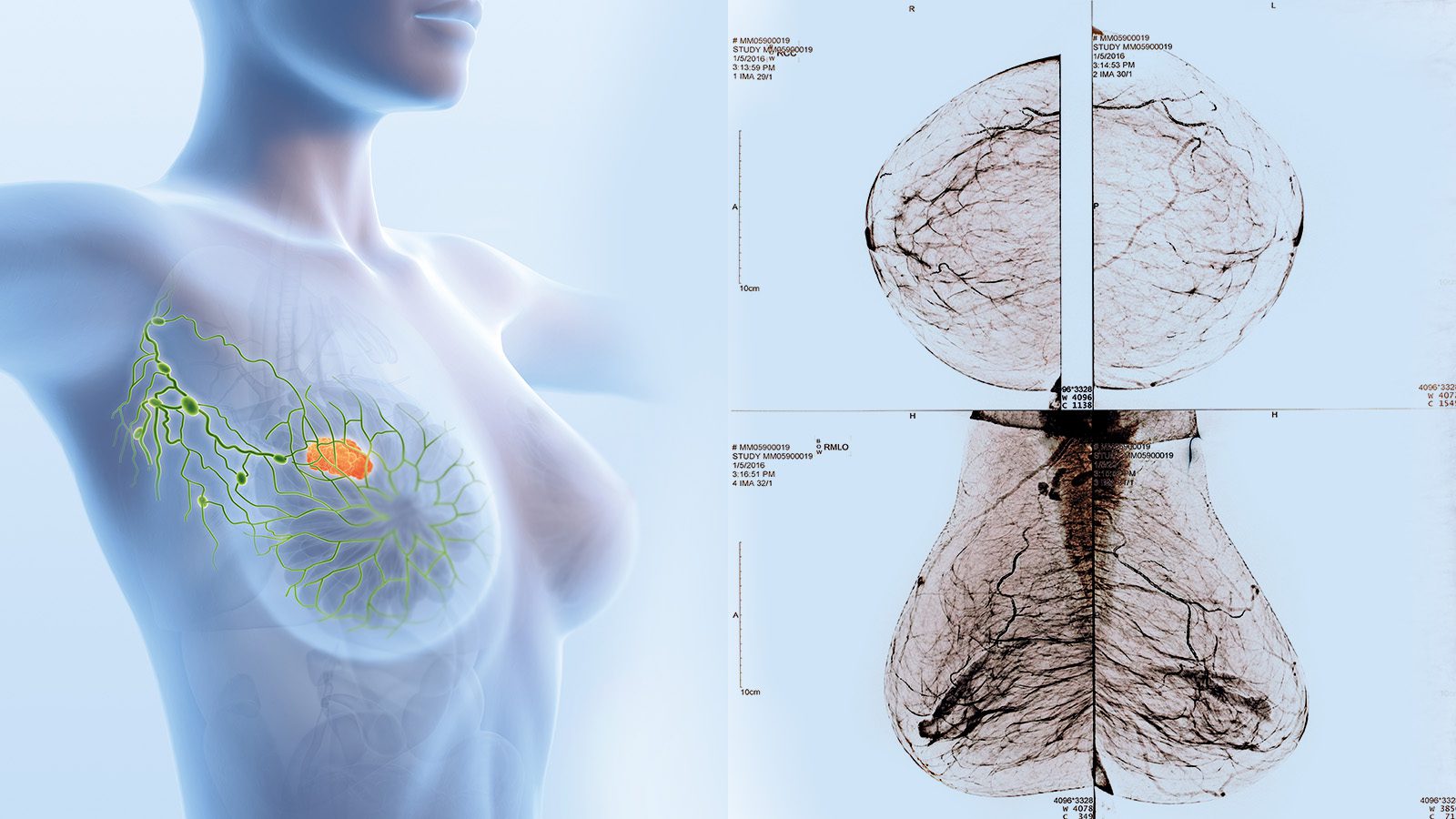
Breast cancer begins when cells in the breast grow uncontrollably and form a tumor. Some tumors can be felt as a lump. Others are only visible through imaging tests like a mammogram.
That’s one reason routine screening matters so much.
Although breast cancer is most commonly diagnosed in women, men can develop it too. No one is immune to awareness.
Approximately 1 in 8 women in the United States will receive a diagnosis of invasive breast cancer during their lifetime.
Worldwide, millions of families are affected each year. But statistics don’t define the story – early detection does.
What makes breast cancer especially complex is that it does not always present in obvious ways. Many people expect a painful lump. Yet early-stage breast cancer is often painless and subtle.
Silent symptoms may appear in the skin, the nipple, the underarm area, or even as general fatigue.
Another important truth: not every symptom listed here means cancer. Many benign conditions can cause similar changes. But knowing the difference starts with noticing the shift in the first place.
Regular self-awareness, clinical exams, and screening tests like mammograms dramatically increase the chances of catching abnormalities early – when treatment options are most effective and outcomes are strongest.
Breast cancer is serious. But early action is powerful.
🔍 10 Silent Symptoms of Breast Cancer to Never Ignore
🎗 Unusual Lump or Thickening
📏 Change in Breast Size or Shape
💧 Nipple Discharge
🔄 Nipple Retraction
🍊 Skin Dimpling or Orange-Peel Texture
🤲 Swelling in Armpit or Collarbone
🔥 Persistent Localized Breast Pain
🧴 Skin Texture Changes Around the Nipple
🚨 Redness or Flaky Skin
👩🦰Breast Cancer Symptoms Explained in Detail
Symptom 1: Unusual Lumps or Masses
A lump or thickened area in the breast or underarm is one of the most recognized warning signs. However, not all lumps are painful or obvious. Some feel like a firm knot or hardened area that differs from surrounding tissue.
According to the Centers for Disease Control and Prevention (CDC), breast texture varies from person to person, so the key is noticing what feels new or unusual. Most lumps are benign, but any new mass should be evaluated. Early medical assessment provides clarity and ensures prompt action if needed.
Symptom 2: Changes in Breast Shape or Size
Unexplained swelling, shrinkage, or asymmetry in one breast can signal underlying changes. These shifts may develop gradually and go unnoticed without regular awareness.
Johns Hopkins Medicine emphasizes that size or shape differences, especially when affecting only one breast, should be assessed by a healthcare provider. While many causes are non-cancerous, persistent changes deserve attention. Paying attention to how your bra fits or how your breasts appear in the mirror can help you detect subtle differences early.
Symptom 3: Nipple Discharge
Unexpected discharge from one nipple, especially if clear or bloody and occurring without squeezing, should be evaluated. While milky discharge from both breasts can be normal under certain circumstances, one-sided discharge is more concerning.
The Mayo Clinic advises seeking medical care for spontaneous, single-breast discharge. Many causes are benign, but identifying the source quickly is important. Any new nipple fluid that appears without explanation warrants professional evaluation.
Symptom 4: Nipple Retraction or Inversion
A nipple that suddenly turns inward or changes position can indicate tissue changes beneath the surface. If this inversion is new or affects only one nipple, it should not be ignored.
Sloan Kettering Cancer Center notes that nipple retraction can occur in both women and men with breast cancer. While some inversion is harmless and lifelong, sudden or progressive changes deserve medical review to determine the cause.
Symptom 5: Breast Cancer May Cause Skin Changes
Skin that appears puckered, thickened, or textured like an orange peel (peau d’orange) can signal blockage of lymph vessels beneath the skin.
The American Cancer Society explains that these changes may be associated with inflammatory breast cancer, a more aggressive form of the disease. If dimpling, redness, or thickening persists, medical evaluation is essential. Subtle surface changes can sometimes appear before a lump is felt.
Symptom 6: Swelling in the Armpit or Collarbone Area
Swollen lymph nodes under the arm or near the collarbone may be an early sign of breast cancer spread. In some cases, this swelling appears before a breast lump is noticeable.
One-sided, persistent swelling should always be examined by a healthcare provider. Lymph node involvement plays an important role in diagnosis and treatment planning, making early detection critical.
Symptom 7: Persistent Breast Pain May Reveal Breast Cancer
Breast pain is common and often linked to hormonal cycles. However, continuous pain in one specific area that does not fluctuate with menstruation may warrant attention.
The National Breast Cancer Foundation notes that cancer-related pain is usually localized and persistent. Although pain alone is rarely the first symptom, unusual or ongoing discomfort should be medically assessed to rule out serious causes.
Symptom 8: Changes in Skin Texture
Scaliness, thickening, or irritated skin on or around the nipple may indicate Paget’s disease of the breast, a rare form of breast cancer.
Johns Hopkins Medicine explains that Paget’s disease begins in the ducts and spreads to the nipple surface. A healthcare professional should evaluate persistent texture changes that do not improve with typical skin treatments.
Symptom 9: Redness or Flaky Skin
Persistent redness, rash-like irritation, or flaking on the breast can resemble eczema but may signal inflammatory breast cancer.
The Mayo Clinic warns that this aggressive form of cancer may not cause a distinct lump, making skin changes particularly important to recognize. If redness or irritation does not resolve or worsens, prompt medical consultation is recommended.
Symptom 10: Unexplained Fatigue Could Be Breast Cancer (or almost any other cancer!)
Severe fatigue that does not improve with rest can occur in many conditions, including cancer. Cancer-related fatigue feels deeper than normal tiredness and may interfere with daily life.
While fatigue alone rarely indicates breast cancer, unexplained exhaustion combined with other symptoms should prompt evaluation. Persistent changes in energy levels always deserve medical attention.
FAQs
No. Most breast lumps are benign and caused by cysts, hormonal changes, or normal breast tissue variations.
However, any new or unusual lump should be evaluated by a healthcare provider. The safest approach is not to panic – but not to ignore it either.
Yes. Early-stage breast cancer is often painless. Many people mistakenly wait for discomfort before seeking medical care, but pain is not required for cancer to be present.
Subtle, painless changes are often the earliest signs.
It may feel like a small, hard lump that differs from surrounding tissue. In some cases, there may be no noticeable sensation at all.
Visual changes in skin texture, swelling, or nipple position may appear before pain.
Most experts recommend breast self-awareness rather than rigid monthly exams. Many women choose to check once a month.
The goal is familiarity – noticing what is normal for you so changes stand out.
For women at average risk, screening often begins around age 40. Those with a family history or genetic risk factors may need earlier screening. Always consult your healthcare provider for personalized guidance.
Yes. Although rare, men can develop breast cancer. Lumps, nipple discharge, or swelling in the chest or underarm area should be medically evaluated regardless of gender.

Final Thoughts: Spotting the Signs of Breast Cancer Early Saves Lives
The overarching message is clear: early detection saves lives. Each symptom, whether a subtle change in skin texture or an unexpected weight loss, serves as a potential clue in identifying breast cancer in its early stages. The power of awareness and timely action is critical to defeating breast cancer.