
Feeling sad is part of being human. But when that low mood lingers most days for weeks and begins to affect sleep, energy, focus, relationships, or daily life, it may be depression – not a personal weakness.
Depression doesn’t always look dramatic.
Many women continue working, caring for their families, and showing up with a smile while quietly feeling overwhelmed or exhausted inside.
Recognizing the signs early can make it easier to seek support and start feeling like yourself again.
This article is meant to educate and raise awareness, not diagnose. If symptoms persist or worsen, a licensed professional can help determine the right next step.
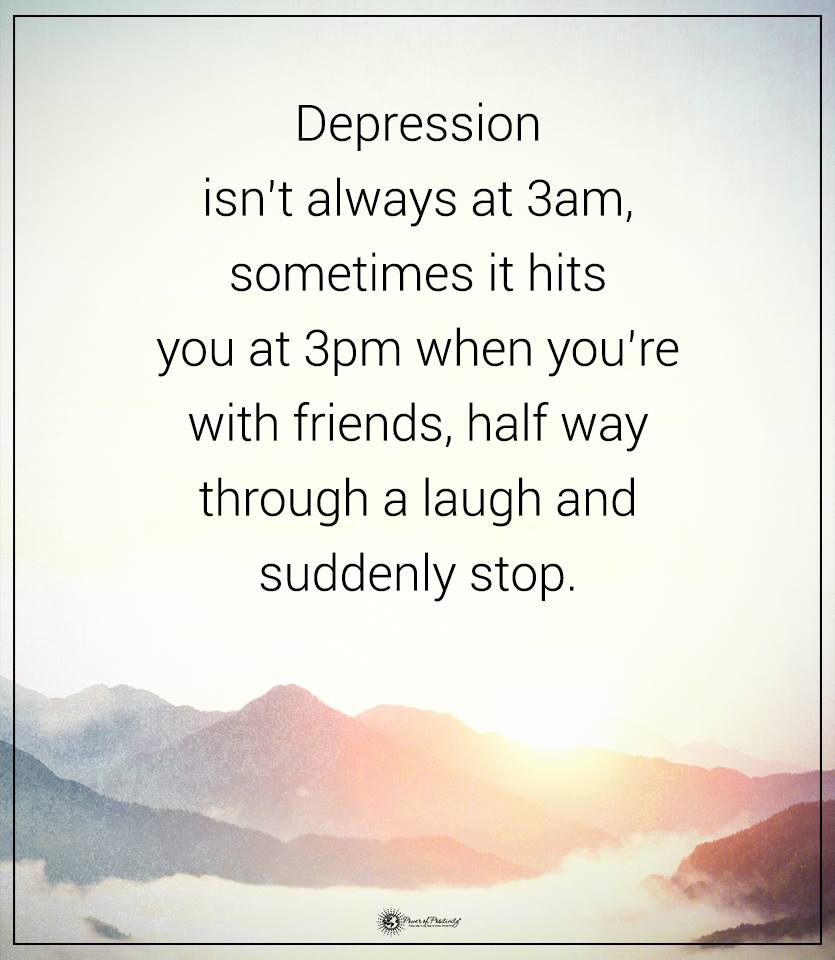
⚖️ How Depression in Women Can Look Different
Anyone can experience depression. However, women are statistically more likely to be diagnosed with it.
This is not about being “too emotional.” It reflects a mix of biological, hormonal, social, and environmental factors.
🧬 Life Stages and Hormonal Shifts
Certain seasons of life can increase vulnerability, including:
- Pregnancy and the postpartum period
- Severe premenstrual symptoms
- Perimenopause and menopause
Hormonal shifts can affect mood, sleep, and emotional regulation. When combined with stress or lack of support, these changes may increase the risk of depression.
🌙 Stress and Mental Load
Many women carry heavy emotional and mental loads – caregiving, work responsibilities, relationships, and social pressures.
Chronic stress can gradually wear down resilience and contribute to depressive symptoms.
🧠 It’s Not Always “Sadness”
Depression may show up as:
- Irritability
- Low motivation
- Brain fog
- Physical aches
- Emotional numbness
- Withdrawal
- Anxiety
Understanding these patterns helps remove stigma and allows space for compassion.
🧩 Risk Factors That Can Raise the Odds
Several factors can increase the likelihood of depression:
- Personal or family history of mood disorders
- Ongoing or intense stress
- Trauma history
- Limited social support
- Major life transitions
- Sleep disruption
- Certain health conditions
While risk factors don’t guarantee depression, awareness can encourage early intervention.
🔎 Ten Hidden Signs of Depression in Women
🔎 Ten Hidden Signs of Depression in Women
😴 1. Sleep or Energy Disruptions
😰 2. Persistent Anxiety
🤕 3. Physical Pain Without Clear Cause
🎭 4. Loss of Interest
🧊 5. Social Withdrawal
🪞 6. Harsh Self-Talk
🌊 7. Emotional Swings or Numbness
🔥 8. Irritability or Anger
🕯️ 9. Thoughts About Not Wanting to Be Here
🍽️ 10. Appetite Changes
🧠 Why Depression in Women Is Often Misunderstood
Depression in women frequently gets mistaken for stress, exhaustion, or simply “having too much going on.”
Because many women continue handling responsibilities, their struggles can stay invisible – even to those closest to them.
There’s also cultural pressure to stay strong, nurturing, and emotionally composed.
When irritation, sadness, or withdrawal appear, they are often minimized or explained away. Over time, this normalization delays recognition and support.
Another factor is that depression doesn’t always look like stereotypical sadness. It may show up as anxiety, physical complaints, irritability, or numbness.
When symptoms blend into everyday life, it becomes harder to see them clearly.
Understanding this helps remove shame. These signs are not character flaws. These signs indicate a potential overload of the nervous system and emotional realm.
🤝 How to Support a Woman Showing These Signs
Supporting someone who may be struggling with depression requires patience, calm presence, and consistency. You do not need perfect words. You need steady ones.
Start by listening without trying to fix.
Avoid minimizing phrases like “Everyone feels that way sometimes” or “Just think positive.” Instead, say things like, “I’ve noticed you seem overwhelmed lately. I care about you. How can I support you?”
Encourage professional help gently, not forcefully.
Offer to help research therapists, schedule appointments, or even sit with her while she makes the call. Practical support often means more than advice.
Most importantly, reduce pressure. Depression already comes with heavy self-judgment. Your role is not to push. It is to reassure, validate, and remind her she is not alone.
Consistency matters more than grand gestures.
📊 Depression vs Burnout vs Hormonal Changes
🌱 When to Seek Help (And What Getting Support Can Look Like)
If you recognize several of these signs and they have lasted for weeks, it may be time to seek help.
You don’t have to wait until things feel “serious enough.” Getting help early often makes recovery easier.
It’s also important to seek help sooner if symptoms are getting worse, daily functioning is slipping, or thoughts about not wanting to be here show up.
Those are signals that you deserve immediate care and support.
Support can look different for different people. Some women benefit most from talk therapy. Others need a mix of therapy, lifestyle changes, and medication. Sometimes the biggest breakthrough is simply being properly heard and assessed.
If you’re not sure where to start, begin with one step:
- talk to your primary doctor
- contact a therapist
- tell one safe person what you’ve been carrying
FAQs
The most common signs include persistent sadness, loss of interest in activities, fatigue, sleep problems, irritability, anxiety, and feelings of guilt or worthlessness.
However, depression in women often appears quietly. It may look like overworking, withdrawing from others, physical pain, or emotional numbness rather than obvious sadness.
If symptoms last more than two weeks and interfere with daily life, it may be more than temporary stress.
Hormonal shifts during menstruation, pregnancy, postpartum, perimenopause, and menopause can affect mood.
For some women, these shifts increase emotional sensitivity, irritability, or low mood.
However, hormones alone do not always cause depression. They often interact with stress, sleep disruption, and life circumstances.
If symptoms are intense, persistent, or worsening, professional evaluation is important.
Burnout is usually tied to prolonged stress, especially work-related stress. It often improves with rest, time away, or lifestyle adjustment.
Depression tends to affect multiple areas of life and can include persistent hopelessness, loss of pleasure, and changes in sleep or appetite.
While burnout and depression can overlap, depression typically lingers even when external stress decreases.
Start with listening. Avoid dismissing her feelings or trying to “solve” everything immediately. Simple validation like, “I’m here for you,” can be powerful.
Encourage professional help gently and offer practical support such as helping research therapists or attending an appointment together. Consistent, calm presence is more impactful than pressure.
Immediate support is needed if there are thoughts of self-harm, suicidal ideation, or feelings that life is not worth living. Sudden behavioral changes, extreme withdrawal, or giving away possessions can also be warning signs.
In those moments, contacting emergency services or a crisis hotline right away is essential. Urgent support can save lives.

🌤️ Final Thoughts on Hidden Signs of Depression in Women
Depression in women is not always loud. It does not always look like tears or obvious collapse.
Sometimes it looks like carrying on while quietly feeling empty, overwhelmed, or emotionally exhausted.
Hidden signs deserve to be taken seriously. They are not personality flaws, weaknesses, or failures.
They are signals that something inside needs care, attention, and support.
The most important thing to remember is this: depression is treatable. With the right combination of professional help, practical support, and small steady steps, healing is possible.
No one has to figure it out alone. Not you. Not someone you love.
Awareness is the first shift. Support is the next. And recovery, even if it takes time, is real.