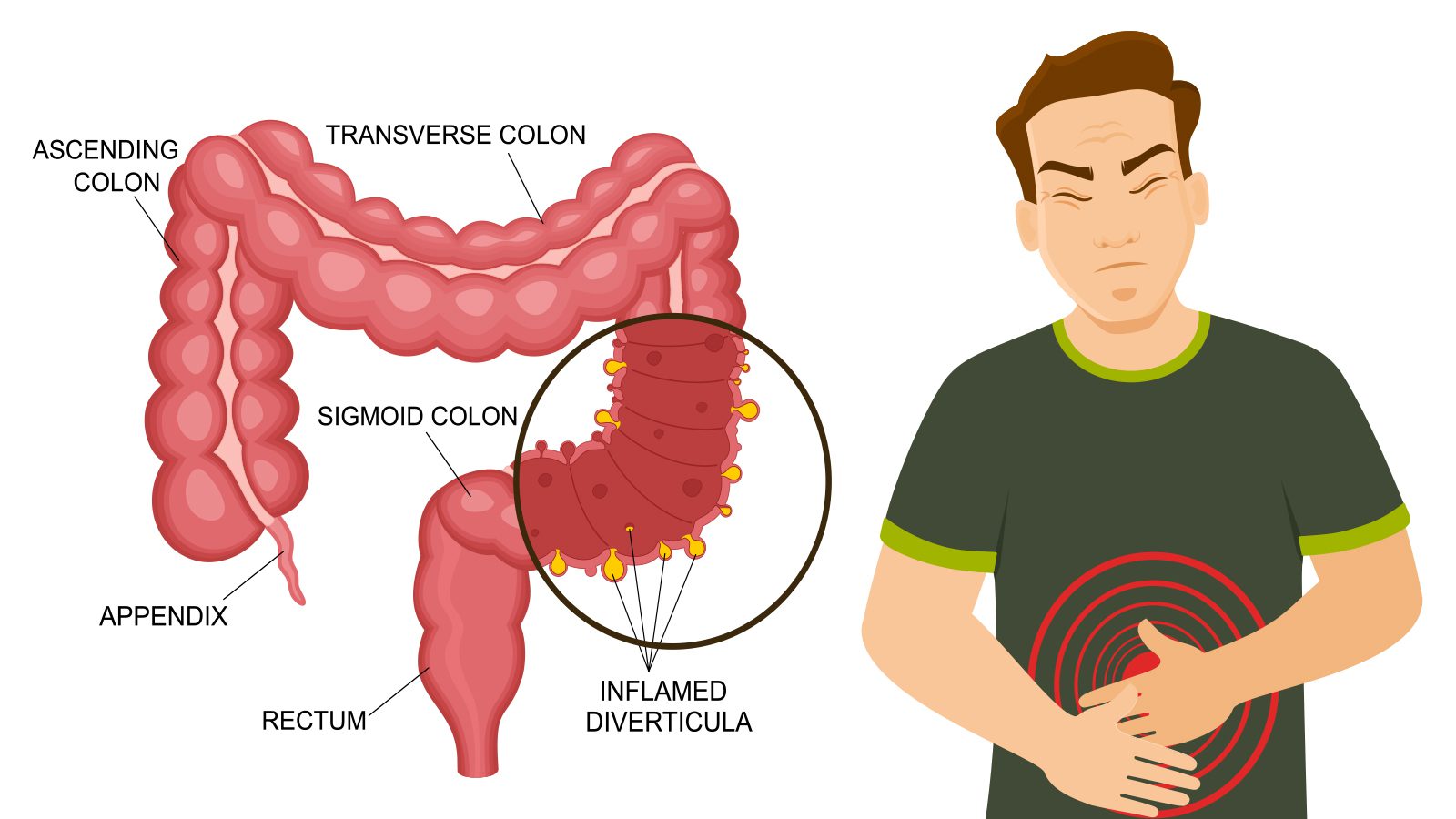


Diverticulitis happens when small pouches in the colon, called diverticula, become inflamed or infected.
While diverticulosis is common, especially with age, diverticulitis is the stage that can cause pain, fever, and other digestive symptoms that are hard to ignore.
It often begins with discomfort in the lower abdomen, but the signs can vary from person to person.
That is why early attention matters. Recognizing the symptoms and speaking with a doctor quickly can help you avoid complications and get the right treatment sooner.
This article walks through 10 signs of diverticulitis, along with simple guidance on what to do next if your body is sending warning signals.

🔎 10 Signs of Diverticulitis
Diverticulitis can show up in several different ways, and the symptoms may range from mild discomfort to more urgent warning signs.
Some people notice a steady stomach pain first, while others experience fever, nausea, or changes in bowel habits that feel unusual for them.
Because these symptoms can overlap with other digestive issues, it is important not to ignore patterns that persist or worsen.
The 10 signs below can help you better understand what diverticulitis may look like, when to pay closer attention, and when it may be time to seek medical care.
⚠️ Lower Left Abdominal Pain
🌡️ Fever and Chills
🤢 Nausea or Vomiting
🚽 Constipation or Diarrhea
💨 Bloating and Gas
🩹 Abdominal Tenderness
🍽️ Loss of Appetite
🧻 Blood in the Stool
🚨 Suddenly Severe Symptoms
🛌 Fatigue and Weakness
🥣 What To Do if You Think You Have Diverticulitis
If you think you may have diverticulitis, do not ignore the symptoms or try to push through them.
Start by paying attention to what your body is telling you, especially if you have steady lower abdominal pain, fever, nausea, or noticeable changes in bowel habits.
The most important step is to contact a healthcare professional for proper guidance, since diverticulitis can range from mild to serious.
NIDDK notes that some uncomplicated cases may be treated at home, while more severe cases may require hospital care.
Until you get medical advice, focus on rest, hydration, and avoiding anything that seems to worsen your symptoms.
If pain becomes severe, you develop a fever, or you notice blood in the stool, seek care promptly.
🧪 How Doctors Diagnose Diverticulitis
Because diverticulitis can look like other digestive conditions, doctors usually do more than rely on symptoms alone.
A healthcare provider may ask about your pain, bowel changes, fever, and medical history, then examine your abdomen for tenderness.
In many cases, imaging such as a CT scan is used to confirm the diagnosis and check for complications.
Blood tests may also help show whether infection or inflammation is present.
This matters because the right treatment depends on how mild or severe the flare is.
Getting a proper diagnosis can help rule out other causes of abdominal pain and make sure you get the care that best fits your situation.
🩺 How Diverticulitis Is Commonly Treated
💧 Mild Cases May Improve With Rest and Fluids
💊 Some People Need Medication or Closer Monitoring
🏥 Severe Symptoms May Require Hospital Care
🌿 Recovery Plans Should Always Be Personalized
👩⚕️ When To See a Doctor Right Away
Some symptoms of diverticulitis should never be brushed aside.
You should seek medical care right away if you have severe or worsening abdominal pain, a high fever, repeated vomiting, trouble keeping fluids down, blood in the stool, or signs of dehydration such as dizziness and weakness.
These symptoms can point to a more serious flare or complications that need prompt treatment.
Mayo Clinic and NIDDK both note that diverticulitis can become serious in some cases, especially when pain is intense or symptoms escalate quickly.
Even if the symptoms seem manageable at first, it is better to get checked sooner rather than wait until the condition becomes harder to treat.
🥕 Foods That May Help During Recovery
Food choices during diverticulitis recovery usually depend on how severe your symptoms are and what your doctor recommends.
During a flare, some people are advised to start with a short-term clear liquid diet or a low-fiber approach to give the colon a chance to rest.
As symptoms improve, solid foods are typically added back gradually.
Once recovery is further along, many people return to a regular eating pattern that includes more fiber to support long-term digestive health.
Both NIDDK and Mayo Clinic emphasize that a healthcare professional should guide this process, as recovery is not universally applicable.
The goal is not a perfect diet overnight, but a steady return to foods your body can tolerate comfortably.
🛡️ Habits That May Help Prevent Future Flare-Ups
While not every case can be prevented, certain daily habits may help support better digestive health over time.
Many experts recommend a high-fiber eating pattern once recovery is complete, along with drinking enough water so fiber can move comfortably through the digestive system.
Regular physical activity may also help support bowel health and lower pressure in the colon.
Just as important, it helps to notice your patterns and speak with a doctor about recurring symptoms.
Prevention is rarely about one perfect food or one quick fix.
It is usually the result of steady, supportive habits that help your digestive system function more smoothly over time.
FAQs
Some mild cases may improve with rest and medical guidance, but it is still important to speak with a doctor.
Symptoms can overlap with other conditions, and some cases become more serious without proper care.
No. Diverticulosis means small pouches have formed in the colon.
Diverticulitis happens when those pouches become inflamed or infected, which is when pain and other symptoms usually appear.
Not always right away. During a flare, a doctor may recommend temporary diet changes, then a gradual return to regular foods.
Over the long term, many people are advised to eat more fiber once recovery is underway.
💛 Final Thoughts
Diverticulitis can feel overwhelming, especially when symptoms appear suddenly or disrupt daily life.
But paying attention to the warning signs early can make a meaningful difference.
From ongoing abdominal pain to fever, nausea, and bowel changes, your body often gives signals when something is not right.
The key is to listen, take symptoms seriously, and reach out for medical advice when needed.
With timely care, the right treatment plan, and thoughtful recovery habits, many people are able to manage diverticulitis well and support better digestive health moving forward.