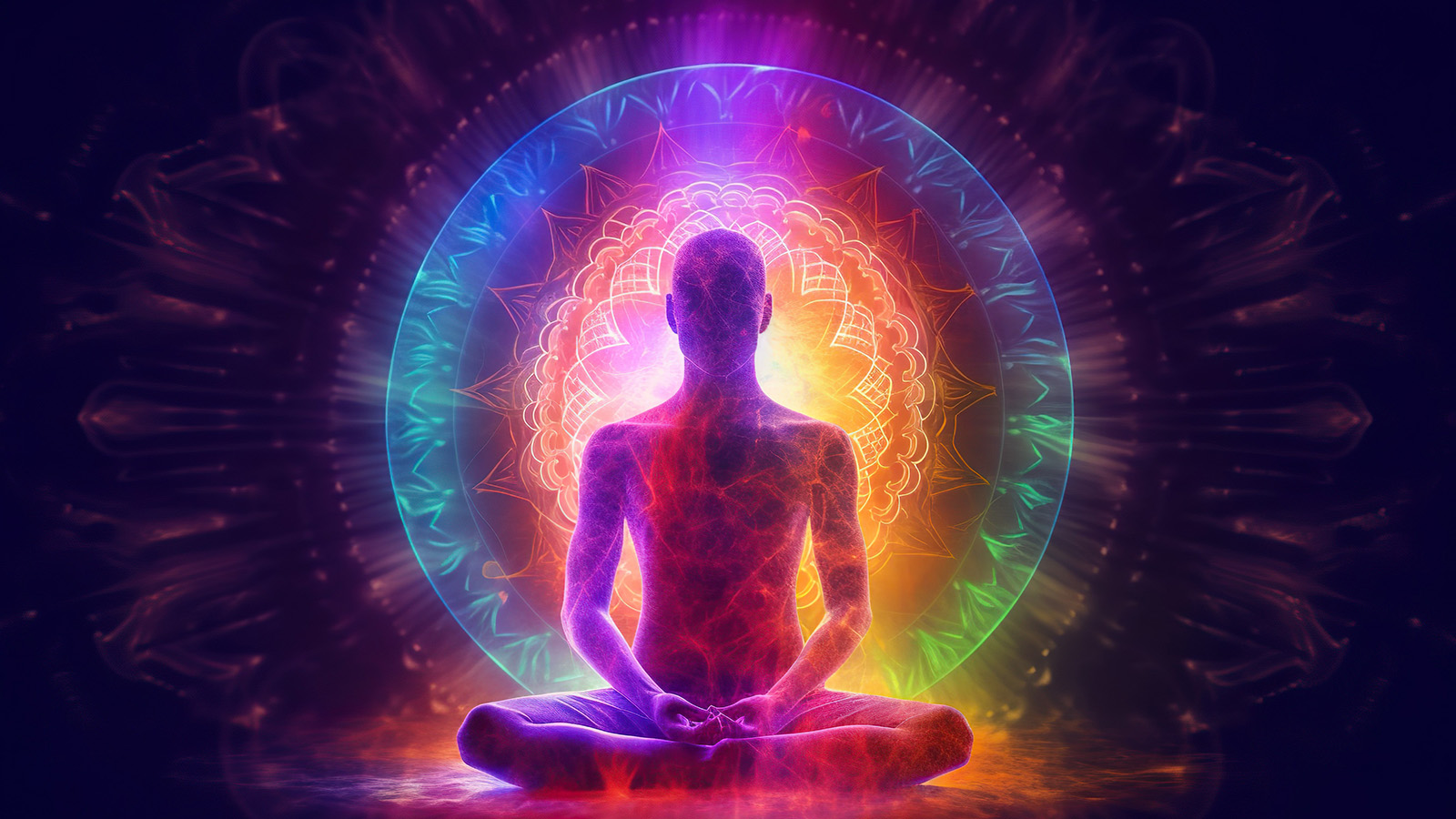


Kundalini energy is one of the most fascinating concepts in spiritual traditions, especially in Hinduism and yoga.
Often described as a “coiled serpent” resting at the base of the spine, this dormant life force is believed to hold the potential for deep inner transformation, expanded awareness, and spiritual awakening.
For many, Kundalini represents more than a mystical idea.
It points to the hidden energy within each person – energy that may awaken through practices like meditation, breathwork, and yoga.
But what exactly is Kundalini energy? How does it work, and why has it captivated spiritual seekers for centuries? Let’s take a closer look.

🐍 What Is Kundalini Energy?
Kundalini energy, often called Kundalini Shakti, is believed to be a powerful life force resting at the base of the spine in the root chakra, or Muladhara.
In many spiritual traditions, it is symbolized as a coiled serpent, sleeping until it is awakened through inner practice and spiritual discipline.
This energy is thought to exist within every person as a source of transformation, awareness, and personal growth.
When it begins to awaken, many believe it rises through the body’s energy centers, expanding consciousness and deepening the connection to the true self.
In simple terms, Kundalini energy represents untapped spiritual potential – the inner force that may help a person move toward greater clarity, healing, and awakening.
📜 The Origins and History of Kundalini Energy
The idea of Kundalini energy comes from ancient Indian spiritual traditions and appears in sacred texts such as the Upanishads, Tantras, and early yogic writings.
These teachings describe Kundalini as a subtle energy present within every human being, quietly resting until it is awakened through spiritual discipline.
For thousands of years, yogic traditions have explored methods for activating this energy through meditation, breath control, mantra chanting, and specific yoga practices.
These techniques were designed to awaken the life force gradually and safely.
In many of these teachings, the rise of Kundalini is considered a path toward self-realization – a state of awareness where individuals feel deeply connected to their inner nature and the greater universe.
🌀 The Seven Chakras and Kundalini Awakening
🔴 Root Chakra
🟠 Rising Through the Chakras
🔵 The Central Channel
🟣 Crown Chakra
⚡ Signs and Symptoms of Kundalini Awakening
Kundalini awakening can show up in different ways depending on the person.
Some people describe physical sensations such as warmth, tingling, pressure, or waves of energy moving along the spine.
Others notice vivid dreams, a stronger sense of intuition, or a sudden shift in awareness that makes life feel more intense or meaningful.
The experience can also affect emotions. As old patterns and emotional blockages begin to surface, some people may feel unexpected joy, sadness, fear, or clarity.
For some, the process is gentle and gradual. For others, it can feel powerful and deeply transformative, especially during periods of spiritual growth.
🧘 How to Awaken Kundalini Energy Safely
Awakening Kundalini energy is often described as a gradual process rather than something that should be forced.
In many spiritual traditions, the awakening occurs naturally through consistent practices such as meditation, yoga, breathwork (pranayama), and mantra chanting.
These methods help prepare the body and mind so the energy can rise in a balanced and stable way.
Guidance from an experienced teacher is often recommended, especially for those exploring deeper Kundalini practices.
Because the experience can sometimes feel intense, grounding habits such as regular exercise, healthy nutrition, and mindfulness can help maintain balance while the body adjusts to the shifting energy.
🌟 The Benefits of Kundalini Awakening
For many spiritual seekers, the awakening of Kundalini energy is associated with profound personal transformation.
As awareness expands, individuals may experience a deeper connection with their inner self and a stronger sense of purpose in life.
Many also report increased intuition, creativity, and emotional clarity as the energy begins to flow more freely.
Kundalini awakening is also believed to support greater harmony between the mind, body, and spirit.
When the body’s energy centers become balanced, people often describe feeling more peaceful, focused, and aligned with their personal path.
Over time, this growing awareness can lead to a deeper understanding of life and a stronger sense of inner fulfillment.
⚠️ Risks and Challenges of Kundalini Awakening
While Kundalini awakening can bring powerful spiritual growth, it can also present challenges if the experience unfolds too quickly or without proper preparation.
Some individuals report feeling overwhelmed by sudden emotional shifts, physical sensations, or intense changes in awareness as the energy begins to move through the body.
In certain cases, these experiences are sometimes referred to as Kundalini syndrome, where the surge of energy becomes difficult to integrate.
People may experience confusion, anxiety, or emotional turbulence during this phase.
Because of this, many spiritual traditions emphasize patience, grounding practices, and proper guidance.
Approaching the journey slowly and respectfully can help individuals navigate the process with greater balance and stability.
🌿 Integrating Kundalini Energy Into Daily Life
After Kundalini energy begins to awaken, learning how to integrate that experience into everyday life becomes an important part of the journey.
Many spiritual traditions emphasize continuing practices such as meditation, yoga, and mindfulness to help maintain balance and support ongoing growth.
Simple lifestyle habits can also help stabilize the energy.
Eating nourishing foods, spending time in nature, staying physically active, and maintaining healthy routines can help the body stay grounded while awareness expands.
Over time, these supportive practices allow individuals to gradually integrate the changes brought by Kundalini awakening, helping them move forward with greater clarity, emotional balance, and spiritual insight.
FAQs
Kundalini energy is believed to be a dormant spiritual force that can awaken greater awareness, personal transformation, and a deeper connection to the self.
In spiritual traditions, it is seen as energy that rises through the chakras and supports inner growth.
Kundalini energy is not always viewed as dangerous, but the awakening process can feel intense for some people.
That is why many traditions recommend approaching it slowly, with grounding practices and guidance from an experienced teacher.
Early signs may include tingling sensations, warmth along the spine, vivid dreams, emotional release, or a stronger sense of intuition. The experience can be different for each person.
Yes, meditation is one of the most common practices associated with Kundalini awakening.
Breathwork, yoga, mantra chanting, and mindfulness are also often used to support the process.
Kundalini awakening is not usually a single event with a fixed timeline. For some people, it unfolds gradually over time as part of an ongoing spiritual journey.
Many people find it helpful to learn from a knowledgeable teacher, especially if the experience feels intense or confusing. Proper guidance can make the process feel safer and more balanced.
✨ Final Thoughts on Kundalini Energy
Understanding Kundalini energy is about more than exploring a mystical concept.
It invites us to recognize the powerful potential for transformation that exists within every human being.
According to spiritual traditions, this inner life force can guide individuals toward deeper self-awareness, emotional healing, and a stronger connection with their spiritual nature.
At the same time, the journey of Kundalini awakening should be approached with patience and respect.
With consistent spiritual practice, healthy grounding habits, and proper guidance, the process can unfold gradually and safely.
For those drawn to spiritual growth, exploring Kundalini energy can become a meaningful path toward greater clarity, inner peace, and a deeper connection with the true self.