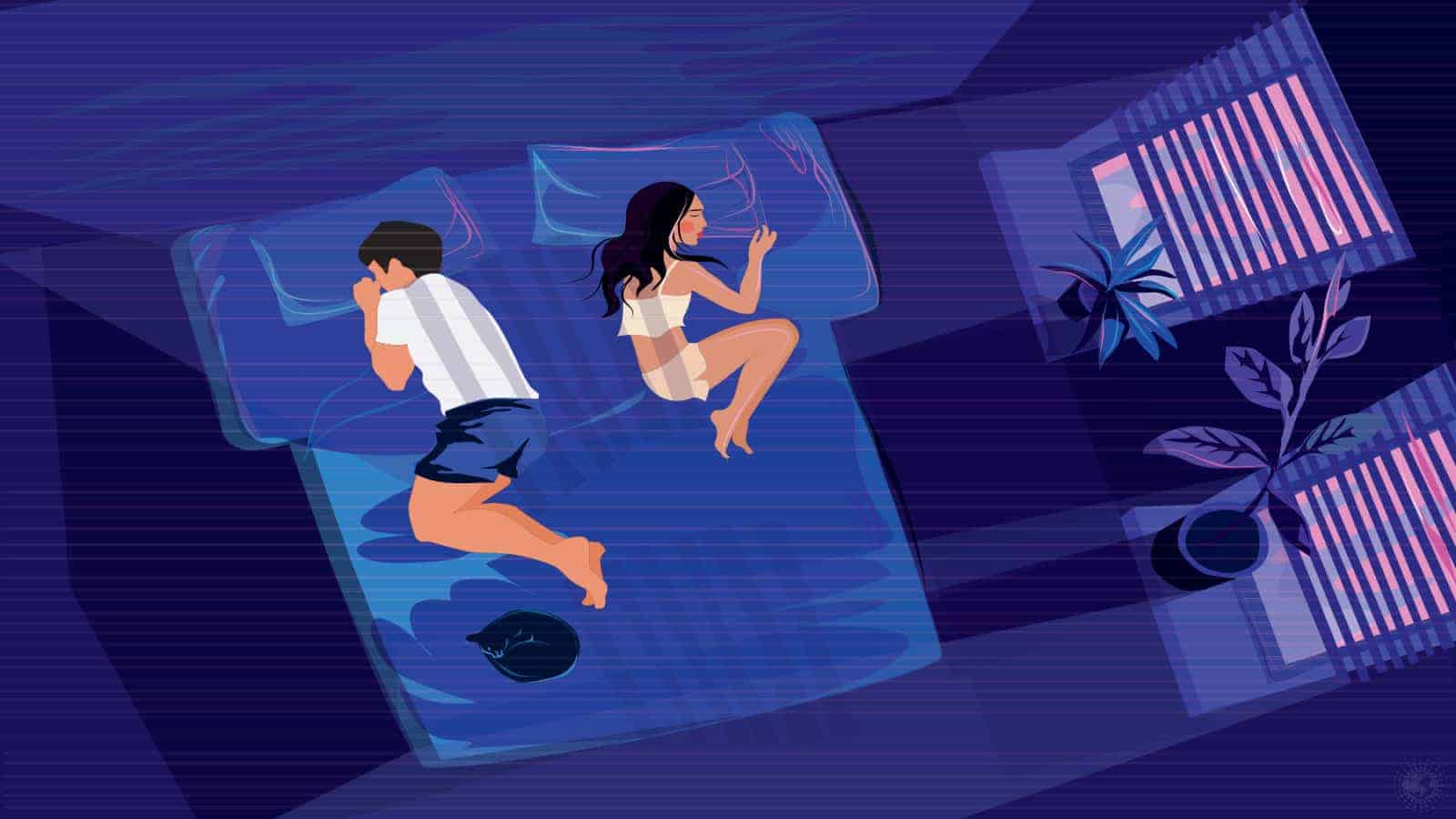

Relationships do not usually fall apart in dramatic explosions.
More often, unhappiness builds quietly. Small habits change. Conversations shift. Connection feels different, but no one names it.
At the beginning, affection flows naturally. You look for reasons to spend time together. You talk about everything. But long-term love requires attention, effort, and emotional awareness.
When those slip, distance forms.
Therapists say the signs of unhappy couples are often subtle before they become obvious.
Recognizing them early gives you power – whether you are reflecting on your own relationship or supporting someone else.

🤐 1. Passive Aggression Becomes Common
Unhappy couples rarely explode first. They erode.
Instead of openly expressing frustration, communication becomes indirect. Sarcasm replaces honesty. Silence replaces resolution. Subtle comments carry heavy meanings.
Therapists explain that passive aggression often signals unmet needs or unspoken resentment.
When partners feel unsafe expressing vulnerability, they express irritation instead. Over time, these small jabs accumulate.
What makes this pattern dangerous is that neither partner feels fully heard.
The real issue stays buried. And buried emotions do not disappear – they resurface later as bigger conflicts.
🌄 2. New Experiences Rarely Happen
At the beginning of a relationship, everything feels new. You explore restaurants. Take spontaneous trips. Stay up too late talking. Even small routines feel exciting because they’re shared.
Over time, novelty naturally decreases. That part is normal.
The issue therapists notice in unhappy couples is not the absence of constant adventure – it’s the absence of intentional shared experiences.
When couples stop trying new things together, the relationship can slide into autopilot.
Novelty stimulates dopamine, curiosity, and bonding. Without it, connection can begin to feel flat. Life becomes logistics instead of shared discovery.
Small changes matter more than grand gestures. A new hobby. A different weekend routine. A simple change in environment.
When those disappear entirely, emotional distance often isn’t far behind.
⏳ 3. Comparing Today to “How Things Used to Be”
When partners start saying things like, “You used to be so different,” or silently wishing the relationship felt like it once did, it often signals dissatisfaction in the present.
Change itself is not the problem. Growth is normal.
Stress, life transitions, and aging all shape people differently over time.
The concern that therapists point out is that nostalgia replaces communication.
Instead of expressing what feels missing now, couples romanticize the past. One or both partners may compare the current dynamic to the “better version” of the relationship.
Over time, that comparison creates quiet resentment.
Unspoken longing turns into emotional distance.
Healthy couples talk about evolving needs. Unhappy couples silently measure today against yesterday — and no one wins that comparison.
🏠 4. Excitement Is Replaced With Survival Mode
Life gets busy. Careers demand attention. Children need care. Financial pressure builds. These realities are normal in long-term relationships.
The issue arises when couples stop functioning as partners and start functioning only as co-managers of life.
Instead of sharing laughs or affection, conversations revolve around schedules, errands, bills, and responsibilities.
Emotional connection takes a back seat to daily survival.
Therapists often describe this shift as moving from intentional partnership to parallel living. You share a home, but not necessarily an emotional space.
When romance, playfulness, and shared excitement disappear entirely, the relationship can begin to feel transactional instead of relational.
Long-term love requires maintenance. Without small moments of connection woven into everyday life, intimacy slowly fades.
💔 5. Date Night Disappears
At the beginning of a relationship, spending time together feels automatic. You prioritize it without thinking.
Over time, responsibilities, routines, and distractions often replace intentional time together.
While occasional busy seasons are normal, therapists grow concerned when couples consistently resist spending one-on-one time together.
Date night does not have to mean expensive dinners or elaborate plans. It simply means focused attention. Undistracted conversation. Intentional connection.
When couples avoid planning time alone, it can signal unresolved tension, emotional withdrawal, or discomfort with vulnerability.
Some partners unconsciously keep themselves busy to avoid deeper conversations.
Connection does not sustain itself without effort. If date night quietly disappears, emotional distance usually follows.
⚖️ 6. Constant Battles Over Being “Right”
Disagreements are part of every relationship. Conflict itself is not the issue.
The pattern therapists watch for is when conflict turns into competition.
Instead of trying to understand each other, partners focus on winning the argument.
Conversations shift from resolution to proving a point. Small disagreements escalate because neither person feels heard.
Over time, this creates defensiveness on both sides.
In unhappy couples, arguments are rarely just about dishes, text messages, or schedules. They are about validation, respect, and emotional security. When those needs are unmet, even minor issues can feel symbolic and loaded.
The real damage is not the disagreement – it is the erosion of empathy.
Healthy relationships prioritize understanding over being right.
📅 7. You Don’t Know Much About Each Other’s Daily Lives
In emotionally connected relationships, partners stay curious about each other’s world.
They ask how the meeting went. They text about something funny that happened.
They know general routines, colleagues’ names, or upcoming plans. Not because they are tracking each other — but because they care.
When that curiosity fades, therapists often see a deeper pattern of withdrawal.
Unhappy couples may stop checking in. They may not know when their partner gets home, what stresses them at work, or what they look forward to. Even more concerning is indifference — not arguing, not questioning, simply disengaging.
Anger still signals emotional investment. Indifference signals detachment.
When partners stop sharing the small details of life, they quietly stop sharing emotional space.
🧊 8. Flirting and Physical Affection Fade
In healthy relationships, affection shows up in small, consistent ways. A playful touch. A lingering hug. A compliment whispered just because.
These gestures may seem minor, but therapists emphasize that physical connection reinforces emotional safety.
Touch communicates reassurance, closeness, and desire without needing words.
In unhappy couples, affection often becomes mechanical — or disappears entirely.
Partners may stop holding hands. Hugs feel brief or forced. Playfulness fades. In more severe cases, they physically avoid contact.
Intimacy naturally evolves over time, but complete withdrawal is rarely random. Physical distance often mirrors emotional distance.
When warmth turns into cold neutrality, it usually signals something deeper that hasn’t been addressed.
🗣️ 9. Meaningful Conversations Stop
Healthy couples talk about more than logistics.
They share thoughts, worries, dreams, and reflections. Conversations feel layered. Even everyday topics carry warmth and engagement.
When meaningful dialogue fades, communication often becomes transactional. Who is picking up dinner. What time is the appointment. Did you pay the bill.
Therapists note that unhappy couples frequently shift into surface-level exchanges. One-word answers. Minimal eye contact. Distracted listening.
Important emotions go unspoken to “keep the peace.”
Over time, this emotional silence builds distance.
It is not the absence of words that harms connection – it is the absence of depth. When couples stop sharing what matters internally, they stop truly knowing one another.
📱 10. Phones Replace Presence
Technology itself is not the problem. Disconnection is.
In happy relationships, partners may scroll or text, but they still engage with each other. Eye contact happens. Conversations continue. Attention shifts naturally.
In unhappy couples, devices often become shields.
Instead of turning toward each other, partners turn toward screens. Shared silence feels less awkward when filled with notifications.
Difficult conversations are easier to avoid when distraction is constant.
Therapists sometimes describe this pattern as “micro-withdrawals.” Small, repeated moments where connection is available – but not chosen.
Over time, those missed moments compound.
Presence communicates value. When phones consistently receive more attention than the person sitting across from you, it often reflects emotional drift beneath the surface.
FAQs
Yes, but only if both partners are willing to acknowledge the problem and participate in change.
Unhappiness often grows from repeated patterns, not a single event.
When couples identify those patterns early and commit to improving communication, rebuilding trust, and spending intentional time together, recovery is very possible.
Many therapists see relationships strengthen significantly after both individuals take accountability and become more emotionally aware.
The key is mutual effort. One person cannot repair the dynamic alone.
Most couples do not grow apart suddenly.
Common factors include chronic stress, unresolved conflict, lack of quality time, decreased intimacy, and emotional neglect.
Life responsibilities can slowly overshadow connection if couples stop prioritizing one another.
Growth itself is healthy. The issue arises when partners evolve separately without updating the relationship through honest conversations.
Without intentional recalibration, emotional distance can quietly increase year after year.
Yes. Long-term relationships naturally go through seasons.
Temporary dissatisfaction during stressful periods such as career changes, parenting demands, or health challenges does not automatically mean the relationship is broken.
What matters is whether both individuals remain emotionally invested and willing to reconnect.
Chronic unhappiness, on the other hand, feels persistent and unresolved. That is when deeper evaluation becomes important.
Intimacy includes both emotional closeness and physical affection.
While the frequency and expression of intimacy vary between couples, complete absence over time typically signals deeper concerns.
Some couples can rebuild intimacy through open dialogue and intentional effort.
Others may require professional support to understand underlying blocks.
Sustained emotional and physical disconnection often leads to loneliness within the relationship, which can be more painful than being alone.
🌿 Final Thoughts on Recognizing the Signs of Unhappy Couples
Unhappy relationships rarely collapse overnight. They shift slowly through small habits, subtle avoidance, and unmet needs that go unspoken.
Over time, those patterns create distance that feels difficult to explain but impossible to ignore.
Recognizing these signs is not about predicting the end. It is about becoming aware of what is happening beneath the surface.
Awareness creates choice.
If these behaviors feel familiar, it does not automatically mean the relationship is over. It may simply mean something needs attention, honest communication, and renewed effort.
Sometimes unhappiness is not a verdict. It is a signal asking to be addressed.