
Have you ever found yourself at a crossroads, unsure which direction to take?
Life has a way of bringing us moments of confusion, transition, and quiet doubt.
Whether it’s a relationship shift, a career decision, or simply a season of self-questioning, uncertainty is part of being human.
In those moments, we often search for clarity – not someone to tell us our future, but something that helps us understand our present more deeply.
This is where Tarot becomes relevant.
Tarot is not about predicting a fixed destiny or handing over control to fate. Instead, it’s a reflective tool – a symbolic language designed to help you access wisdom that already lives within you.
Through imagery, archetypes, and intuitive interpretation, tarot invites you to pause, look inward, and see your situation from a new perspective.
For some, tarot offers comfort. For others, it sharpens intuition. And for many, it simply creates a moment of intentional self-reflection in a busy world.
If you’ve ever wondered, “Why should I read Tarot?” the real answer may be simpler than you think: to gain clarity, strengthen your intuition, and reconnect with your inner guidance.
🃏 What Is Tarot Really About?
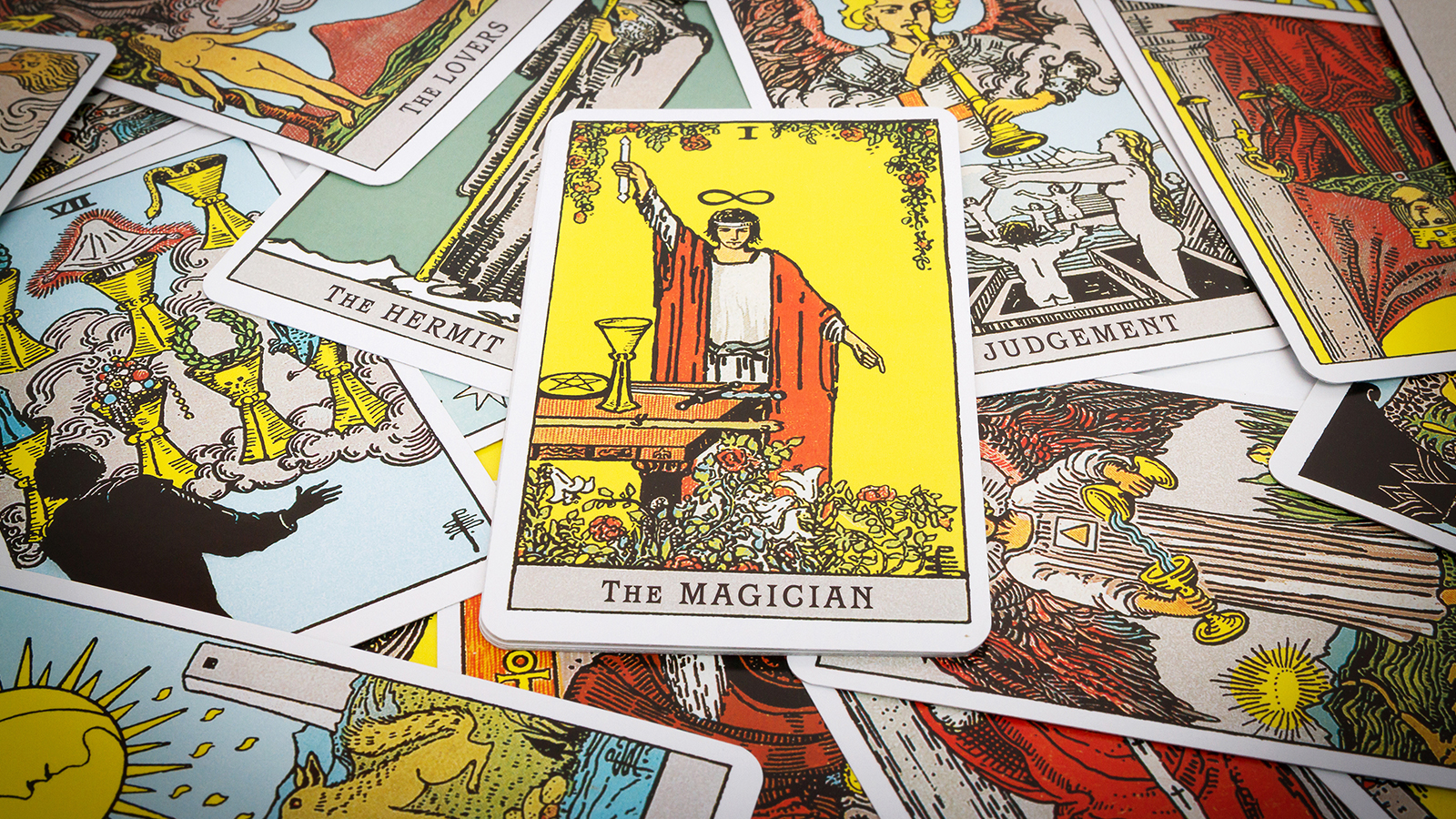
At its core, tarot is a system of symbolic storytelling.
A traditional tarot deck is made up of 78 cards, divided into the Major Arcana and Minor Arcana. Each card carries imagery, archetypes, and themes that reflect the full spectrum of human experience – love, loss, growth, ambition, fear, transformation, and renewal. These aren’t random symbols. They mirror situations we all move through at different stages of life.
Historically, tarot cards date back to 15th-century Europe, where they were originally used for gaming. Over time, they evolved into a tool for spiritual insight and reflection. While some people still approach tarot as fortune-telling, many modern readers use it for something much more grounded: self-awareness and personal growth.
Tarot does not “decide” your future.
Instead, it highlights patterns, emotions, and perspectives that may already be shaping your choices. When you lay out the cards, you’re essentially placing your subconscious thoughts on the table. The imagery invites you to ask better questions:
- What am I avoiding?
- What lesson is repeating itself?
- Where am I out of alignment?
- What strength am I overlooking?
The power of tarot is not in the card itself – it’s in the reflection it sparks within you.
When you understand tarot this way, it stops feeling mystical or intimidating.
It becomes a tool – like journaling, meditation, or deep conversation – that helps you step back and see your life more clearly.
🚫 Common Misconceptions About Tarot
🔮 Tarot Predicts a Fixed Future
⚖️ Tarot Is Dangerous or Dark
🧠 You Have to Be Psychic to Read Tarot
🙏 Tarot Replaces Personal Responsibility
🌿 What Is the Purpose of Using Tarot?
If tarot is not about predicting the future, what is it for?
The purpose of tarot is clarity. It helps you slow down and look honestly at your present situation. Instead of reacting emotionally or rushing decisions, tarot creates space to reflect and think with intention.
Tarot highlights patterns. It can reveal repeated behaviors, emotional blocks, or hidden strengths you may not fully recognize. The cards do not control your life – they simply mirror what is already unfolding.
It also strengthens intuition. Over time, you begin trusting your inner voice more deeply. Tarot becomes less about the cards themselves and more about developing self-awareness.
At its core, tarot is about empowerment. The insight guides you – but the choice is always yours.
🌙 When Is the Best Time to Try Tarot?
There is no “perfect” time to read tarot. The best time is when you feel ready and open to reflection.
Many people enjoy reading tarot during new or full moons. These natural cycles often symbolize beginnings, release, and clarity. Seasonal changes can also be powerful moments to reflect and reset intentions.
Tarot can be helpful before starting something new – like a job, relationship, or project. It can also bring insight when ending a chapter of your life.
Some people use tarot weekly as a personal check-in. Others turn to it during uncertainty or decision-making.
Ultimately, tarot works best when you approach it with curiosity, calm focus, and an open mind.
📖 Learning Tarot: How to Begin Without Feeling Intimidated
Starting tarot can feel overwhelming at first.
The symbols, the spreads, the meanings – it might seem like there is too much to learn.
But tarot does not require perfection. It requires presence.
You do not need to memorize every card or follow strict rules. Most beginners start by pulling a single card and reflecting on what it represents in their life.
Over time, confidence grows naturally.
Below is a simple mindset shift that makes learning tarot easier:
🃏 Start Simple
✨ Trust Your Interpretation
🌿 Choose a Deck That Speaks to You
🌙 Allow the Practice to Evolve
🌟 What Tarot Can Do for Your Life
Tarot can bring clarity when your thoughts feel scattered. Instead of spiraling in overthinking, the cards help you focus on one theme at a time.
This makes difficult situations feel more manageable.
It can also support emotional awareness. Seeing your struggles reflected symbolically can help you process feelings with more honesty and less judgment. That awareness often leads to healthier choices.
Tarot can strengthen confidence in decision-making. It does not choose for you, but it helps you see possible outcomes and underlying patterns.
For many, tarot becomes a reminder to slow down and practice self-care. It is not a replacement for professional help, but it can be a supportive tool for reflection.
Ultimately, tarot reconnects you with your inner wisdom.
FAQs
Many people see tarot as a psychological and reflective tool rather than something supernatural.
The cards use symbolic imagery that helps you access subconscious thoughts, emotions, and patterns. In that way, tarot works much like journaling or guided reflection.
Whether you view it spiritually or practically, its value comes from the insight and awareness it helps you develop.
Tarot does not predict a fixed or guaranteed future. Instead, it reflects your current energy, mindset, and direction.
It may suggest possible outcomes based on your present path, but you always have free will. Your choices, actions, and growth ultimately shape your future – not the cards alone.
No, you do not need to be psychic. Anyone can learn tarot with patience and practice.
Beginners often start by understanding the basic meanings of cards and building from there. Over time, intuition develops naturally through consistent reflection and observation.
There is no strict rule. Some people pull a daily card for guidance, while others read only during important life moments.
The key is to avoid using tarot in a way that creates dependency. It works best as a supportive check-in, not as constant reassurance.
Final Thoughts on the Discovery of How Tarot or Oracle Adds Clarity to Life
Tarot is a unique tool for embarking on a personal journey of seeking guidance and wisdom.
The cards merely illuminate the power within you, leaving the choice of what to do with the knowledge entirely in your hands.
While this may initially feel slightly uncertain, it is also empowering, as every intentional decision you make becomes a part of your unique journey.